Published October 19, 2026
Art fair preparation for galleries from booth list to follow up
An art fair compresses months of gallery work into a few days. The booth is small, the costs are high, the pace is relentless and every conversation counts. The galleries that do well at fairs are rarely the ones with the most works on the wall. They are the ones that arrive with a clear booth list, accurate paperwork, collectors already invited and a plan for the week after the fair closes. This guide covers art fair preparation for galleries in the order the work actually happens, from choosing works to the last follow up email.
Try it on one of your works
Sample artist
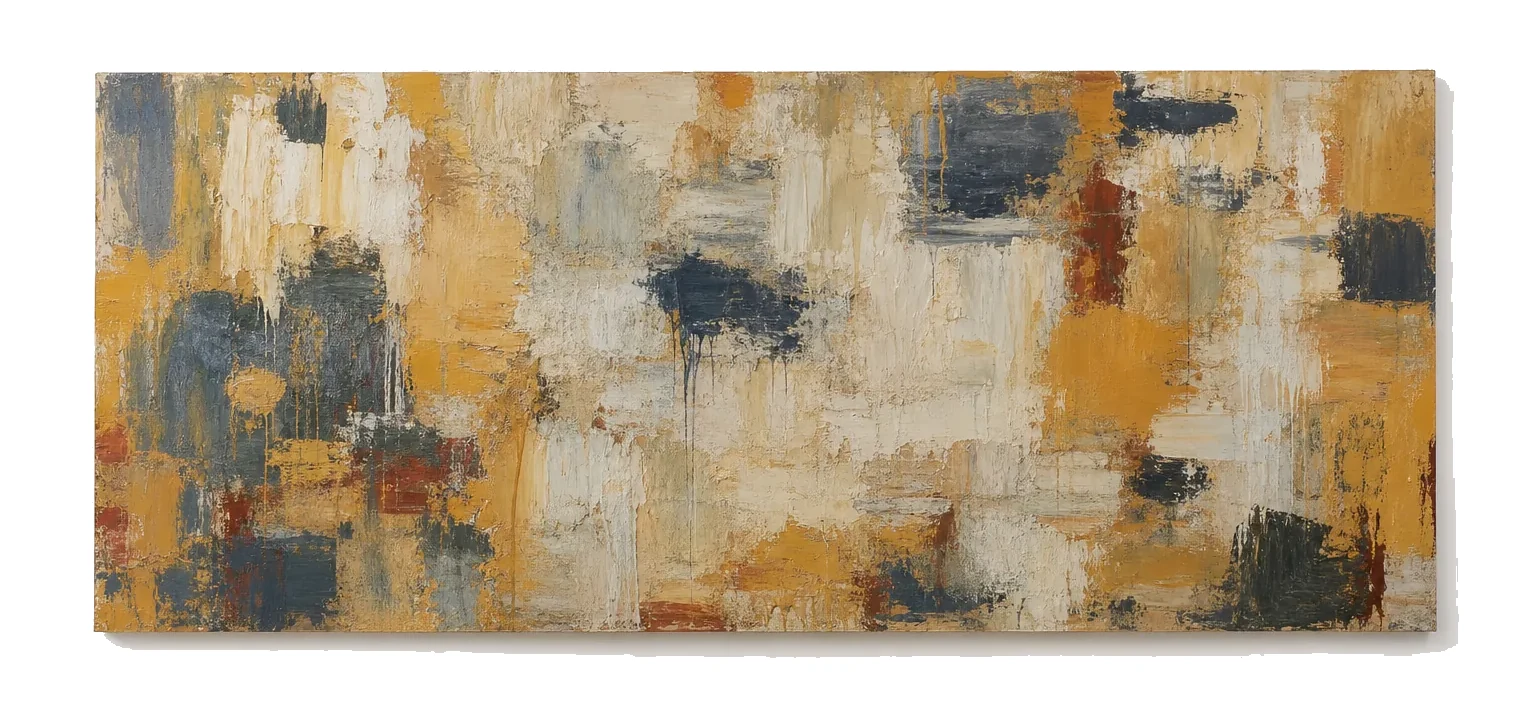
Harbour Light IV, 2024
Oil on canvas
$18,500
No card required. Your inventory stays yours, export it as CSV any time.
The demo creates one artwork record per visitor per day. Create an account to keep adding works.
views 0
Choose the booth list early and deliberately
The booth list drives everything else: shipping, insurance, pricing, invitations and the layout of the stand. Settle it early, and treat late changes as exceptions.
- Decide the focus of the booth: one artist, a dialogue between two, or a group presentation
- Choose works that read from the aisle as well as up close
- Balance price points so the booth can serve different collectors
- Keep a short reserve list of alternates in case a work sells before the fair or arrives damaged
- Confirm availability of every work with the artist and in the inventory
Think about the fair's audience. A booth at a large international fair in December draws a different crowd than a regional fair in spring. Match the list to the collectors who will walk past.
Choosing works early also gives the artist time to prepare. Artists want to know which works are going to a fair, how they will be hung and who they will be shown alongside. Sharing the booth list and a simple floor plan with each artist well in advance avoids surprises and often produces useful suggestions about hanging and selection.
Prepare the records before anything ships
Fair paperwork is far easier when it comes straight from the inventory. Every work on the booth list should have a complete record before it leaves the gallery.
- Tombstone line in the gallery format, with dimensions in inches and centimeters
- Retail price and the discount authority agreed with the artist
- Condition report with photographs, dated before packing
- Crate dimensions, weight and handling notes for the shipper
- Insurance value and confirmation of coverage at the fair and in transit
- Location updated to "at fair" once the work leaves
On the Gallery plan and above, Gallerists keeps art fair booth lists as their own records, built from the artworks in the inventory, so labels, price lists and shipping lists all come from one source.
Budget the fair and book logistics early
Fairs are expensive, and the costs arrive from many directions at once. A simple budget, set when the gallery accepts its place, makes it easier to judge afterward whether the fair was worth it and which costs to cut next time.
- Booth fee and any required services, such as walls, lighting and furniture
- Shipping, crating and installation for every work on the booth list
- Insurance in transit and at the fair
- Travel, accommodation and meals for the booth team
- Printing, labels and any marketing for the fair week
- A contingency for damage, extra hands or a last minute replacement work
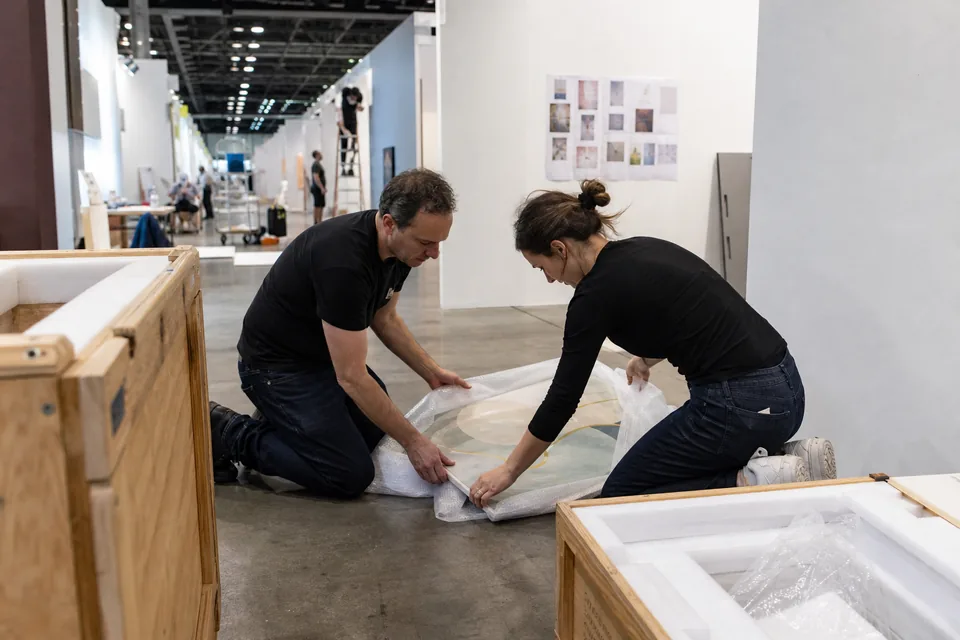
Book the shipper and the installation crew as early as possible, especially for busy fair weeks when many galleries compete for the same services. Confirm delivery windows, the fair's move in rules and the deadline for submitting the booth list to the fair organizers. Keep all of this in one shared place so anyone on the team can answer a logistics question without searching through email.
Invite collectors before the fair opens
The best fair sales often start weeks before the opening. Collectors decide which booths to visit before they arrive, and many decide on works before they set foot in the hall.
- Filter the collector CRM for people who follow the artists on the booth list
- Send a personal note with the booth number and the dates the gallery will be there
- Share a preview viewing room with selected collectors two to three weeks ahead
- Offer appointments during preview hours for important collectors
- Note every response and every request in the collector record
A preview viewing room serves collectors who will attend and those who cannot. Some of the most useful fair conversations happen with collectors who never visit the booth at all.
Manage holds with discipline
Fairs generate holds faster than any other time of year. A collector asks to hold a work while they think, then another collector asks about the same work an hour later. Without discipline, holds become a source of awkward conversations.
- Agree a standard hold period for the fair, for instance until the end of the next day
- Record every hold immediately, with the collector, the associate and the expiry
- Tell the collector the expiry when you place the hold
- Review all holds at the end of each fair day
- Release expired holds on purpose and let the next interested collector know
Holds with expiry and reminders are part of the Gallery plan, so everyone on the booth team sees the same status on their phone and nobody promises a work that is already held.
Run the booth as a team
During the fair, the booth team needs the same information at the same time. Paper price lists and one shared spreadsheet on one laptop do not survive the first busy afternoon.
- Give every booth team member access to the current booth list on their phone
- Agree who can quote prices and who can approve discounts
- Capture every new contact with a note about the conversation and the work discussed
- Mark sales immediately so nobody offers a sold work
- Send offer PDFs from the booth while the collector is still interested
Keep a short end of day routine: review sales, holds and new contacts, and plan the next morning's follow ups.
Agree on a few booth rules before the doors open. Who greets visitors at the front of the booth, who handles the back room, when each person takes a break and how the team signals that a collector needs the director. Small agreements like these keep the booth calm during the busiest hours and make sure no serious visitor waits unattended while two associates talk to the same person.
Follow up within a week
Most of the value of a fair comes after it closes. Collectors meet dozens of galleries in a few days, and the ones that follow up promptly and personally are the ones they remember.
Sort new contacts the evening the fair ends, while the conversations are still fresh. Separate collectors who asked about a specific work from those who simply took a card, and write the first group the next working day.
- Write to every new contact within a week, mentioning the work you discussed
- Send a viewing room of unsold booth works to collectors who showed interest
- Convert open holds into sales or release them
- Send thanks and a report to each artist on the booth
- Update the location of every work as it returns to the gallery
- Record the outcome of each conversation in the collector record
A short internal review helps the next fair. Note which works drew attention, which price points sold, which collectors were new and what the booth cost. These notes are worth more than any general rule.
Make the gallery easy to find during fair week
Collectors plan their fair days in advance and look for booth numbers and gallery programs before they travel. A clear public listing helps them find the booth and the gallery's current show.
- Publish the booth number and the artists on the booth on your gallery profile
- Keep the gallery's current exhibition listing up to date for visitors in town for the fair
- List satellite events or openings that week in the gallery's calendar
On the Gallery plan, exhibition pages and art fair booth lists are published to the Gallerists guide, where collectors browse the art fairs by city and month. Program adds priority placement on fair pages.
Prepare your next fair in one place
Gallerists builds booth lists from your inventory, keeps holds and sales current for the whole team, sends preview viewing rooms and offers, and records every conversation in the collector CRM. Read how art fair booth management works, then create your first artwork record and start your booth list.