Where the gallery district is
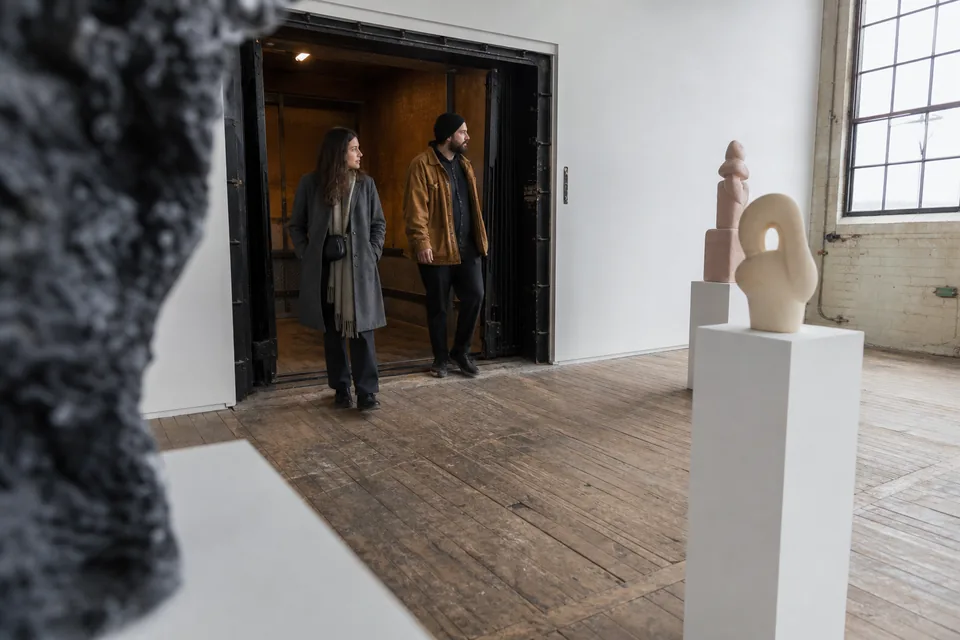
The core of the Chelsea gallery district runs from West 18th Street to West 28th Street, between Tenth Avenue and Eleventh Avenue. Most galleries sit on the side streets rather than on the avenues, many of them in former industrial and warehouse buildings with large ground floor spaces and upper floors reached by freight elevators.
Several buildings house a number of galleries on different floors, so a single address can hold an afternoon's worth of exhibitions on its own.
- Southern edge around West 18th Street
- Northern edge around West 28th Street
- East to west between Tenth Avenue and Eleventh Avenue
- Galleries mostly on the cross streets, often on upper floors as well as at street level
The elevated High Line park runs through the area and offers an easy way to move north or south between blocks while stepping away from traffic for a few minutes.
Pick the right day and time
Timing makes more difference in Chelsea than in most neighborhoods, because galleries keep their own schedules.
- Many galleries open Tuesday to Saturday, and many close on Sunday and Monday
- Openings are commonly held on Thursday evenings, when the district is busy and social
- Weekday afternoons are usually the quietest time to look closely and talk with staff
- Summer hours are often shorter, and August is quiet, with some galleries closed or between shows
- Exhibitions change through the year, so a district that was between shows one week can be full the next
For a first visit focused on looking, choose a Tuesday, Wednesday or Friday afternoon. For atmosphere and conversation, choose a Thursday evening when several openings happen at once, and accept that you will see less of each show.
Plan around the light as well. Many Chelsea spaces have skylights or large windows, and works can look different late in the afternoon than at midday. If you want to see a particular exhibition at its best, visit it early in your route. In winter the light fades early, so start your walk right after lunch rather than late in the afternoon.
A simple route through Chelsea
The most efficient way to walk the district is to work street by street, in a zigzag that never doubles back. Starting at one end and finishing at the other saves a surprising amount of time.
- Start at the southern end around West 18th Street and Tenth Avenue
- Walk west along each cross street toward Eleventh Avenue, then step up one block and walk east
- Continue the zigzag north, one street at a time, up to West 28th Street
- Enter the larger buildings and check the directory in the lobby for galleries on upper floors
- Take a short break on the High Line or at a café on Tenth Avenue around the middle of the route
- Finish at the northern end, near West 28th Street, with an easy way back east toward transit
Most visitors find that the side streets with the greatest number of galleries take the longest, so allow extra time there and move quickly along blocks with fewer exhibition spaces. If time is short, choose five or six streets in a row rather than trying to cover all eleven.
A full zigzag through the district usually takes most of an afternoon at a comfortable pace, longer if you stop to talk with gallery staff. If you prefer a shorter visit, a good approach is to pick the two or three exhibitions you most want to see, walk to those first, and then explore the neighboring streets with whatever time is left. You will often find the most memorable show in a space you had not meant to visit.
Prepare before you go
A little preparation turns a walk into a focused visit.
- Check which galleries are open on the day you plan to visit
- Read about current exhibitions in advance and mark the ones you most want to see
- Note addresses and floors, since upper floor galleries are easy to miss from the street
- Wear comfortable shoes; the route covers many blocks and several elevator rides
- Carry a phone with enough charge to photograph wall labels and notes
Admission to commercial galleries is free. You do not need an appointment to walk into an exhibition during opening hours, although some galleries show parts of their program by appointment only.
Visiting on an opening night
Thursday evening openings are one of the pleasures of Chelsea. Several galleries often open new exhibitions on the same evening, and the streets fill with visitors moving from one show to the next. Openings are generally open to the public, and you do not need an invitation to walk in.
- Expect crowds, especially in the most popular spaces, and plan to come back another day to look closely
- Use the evening to see which exhibitions you want to revisit
- Introduce yourself to gallery staff if a work interests you, and ask to follow up later in the week
- Keep drinks away from the works and give others room to see
An opening is a social event as much as a viewing. Many collectors use the evening to meet gallery staff and artists, then return on a quiet weekday afternoon to spend time with the works they noticed.
How to behave in a gallery
Commercial galleries are open to everyone, and staff expect visitors who are looking rather than buying. A few simple courtesies make the visit pleasant for everyone.
- Greet the front desk; staff can tell you about the exhibition and the artist
- Ask for the checklist or press release, which usually lists titles, media and dimensions
- Keep a respectful distance from works and do not touch surfaces
- Ask before photographing, and avoid flash
- Keep conversations quiet in small spaces
Asking about a price is normal. Many galleries keep a price list at the desk or will share prices on request. A polite question about a specific work is always welcome.
Gallery staff are used to visitors of every kind, from students and artists to first time buyers and seasoned collectors. You do not need to explain why you are there or pretend to be a buyer. Curiosity is welcome, and many conversations that begin with a simple question about a work become the start of a long relationship with a gallery.
When a work stays on your mind
Sometimes a work is still in your head three blocks later. That is the moment to act, calmly and without pressure.
- Go back and ask the desk for the price, the dimensions and whether the work is available
- Leave your name and email so the gallery can send details and images
- Ask about other works by the artist, including works not on view
- Ask whether the gallery can place a short hold while you think
- Follow up with the gallery directly within a day or two
Galleries respond best to direct, specific questions. Mention the title, the exhibition and when you visited. If you are working with an advisor, say so at the start.
Extend the afternoon
If you still have energy after Chelsea, New York offers other gallery neighborhoods with a different character. The Lower East Side has many smaller and emerging galleries around Orchard, Eldridge and Chrystie streets. Tribeca has become home to many galleries in recent years, around Walker, White and Franklin streets. The Upper East Side is known for secondary market and blue chip galleries in townhouses. Our guide to chelsea art galleries covers the district in more depth, and the guide to art galleries nyc covers the other neighborhoods.
Run a gallery in Chelsea
Collectors plan their Chelsea afternoons around current exhibitions and opening nights. If your gallery is in Chelsea, publish your current show, address and floor on the Gallerists guide so visitors can find you before they set out. Read how to list your art gallery and add your exhibition to the Chelsea page.